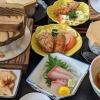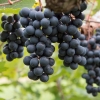

Autumn is harvest time and by far Niigata’s most colorful season, with many visitors and locals alike seeking the fleeting allure of momijigari (autumn-leaf viewing) What better way to complement the explosion of golds, reds and oranges than with an equally aesthetic array of exclusive fall foods? Here are the top five delicacies to enjoy during Niigata’s cooler months.
1. Fresh Koshihikari Rice
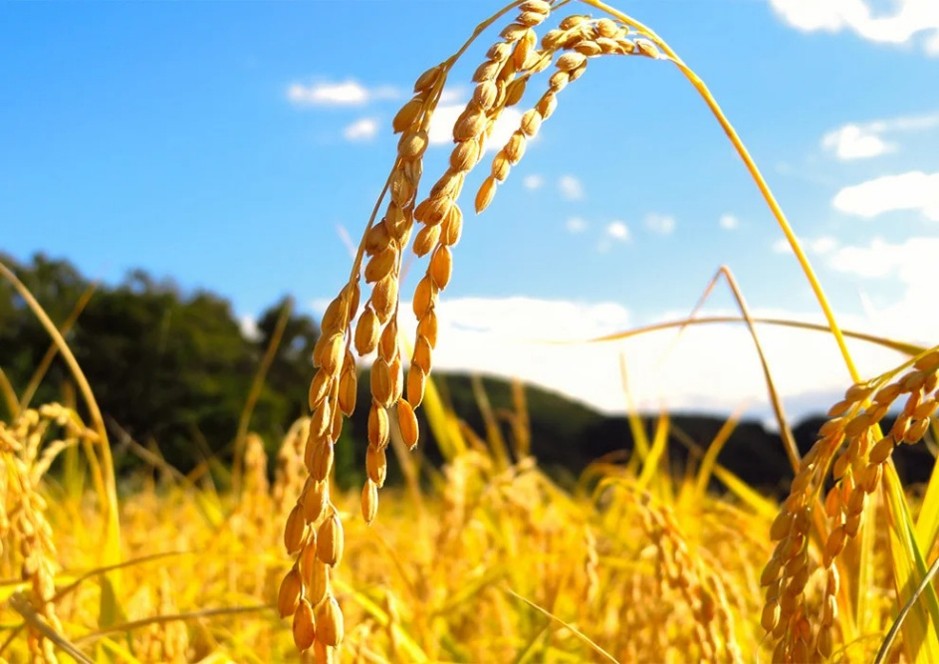
Fresh Koshihikari Rice
With an annual harvest volume of 591,700 tons, Niigata Prefecture is the nation’s top rice-producing region and home to Special A-rated rice, Koshihikari. While the entire prefecture is chock-full of this pearly grain around autumn, Uonuma’s basin-like terrain and abundant snowfall provide the perfect conditions to produce some of Japan’s finest koshihikari.
Whether you prefer it stuffed into a plump rice ball, as a side with your curry or simply enjoyed on its own in a bowl, there is no wrong way to savor the sweet, nutty and umami-packed jewel of Niigata.
2. Persimmons
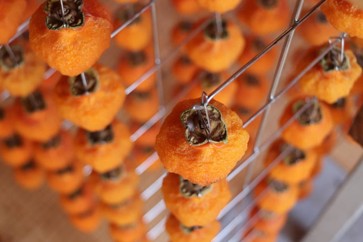
Persimmons
Another iconic autumnal sight in Niigata is strings of amber-colored persimmons drying in the breeze. Persimmon cultivation can be traced back to Sado Island in the early 1600s, where they earned their name thanks to an old work song called “Sado Okesa”. However, these orange fruits aren’t your typical variety. Okesa Persimmons are surprisingly seedless, earning them the alternative title “Hachigaki” as they are the eighth unofficial Wonder of Echigo—hachi meaning “8” in Japanese. As they ripen, they become soft and their astringency decreases, making them a smooth and ubiquitous staple in the fall.
The culinary possibilities for persimmons are endless as they can be added to a myriad of dishes. Slice them up into your salad, bake them with cinnamon and sugar, or just take a juicy bite out of one raw.
3. Taro
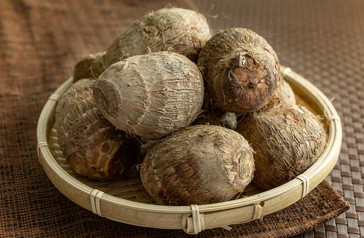
Taro
The fertile fields of Niigata aren’t just for rice. Starchy, slightly sticky taro grows beneath the rich soil around the Shinano River. This root vegetable has been grown since the Jomon Period (14,000 to 300 BC) and was an indispensable ingredient before the cultivation of rice in 400 BC. Taro serves as a worthy substitute for potatoes in a variety of delicious dishes, such as cheese-baked taro and croquettes, but it is most renowned for its accompaniment in soups and stews. Indeed, Niigata’s famous vegetable stew, noppe, depends entirely on taro for its thick velvety texture and hearty feel.
Niigata boasts a wide variety of locally grown taro varieties, each associated with specific areas, such as Niigata City, Shibata City, and Gosen City. In Gosen, you can even join the festivities at the Gosen City Taro Festival and celebrate this culinary treasure. Dig in!
4. Pears
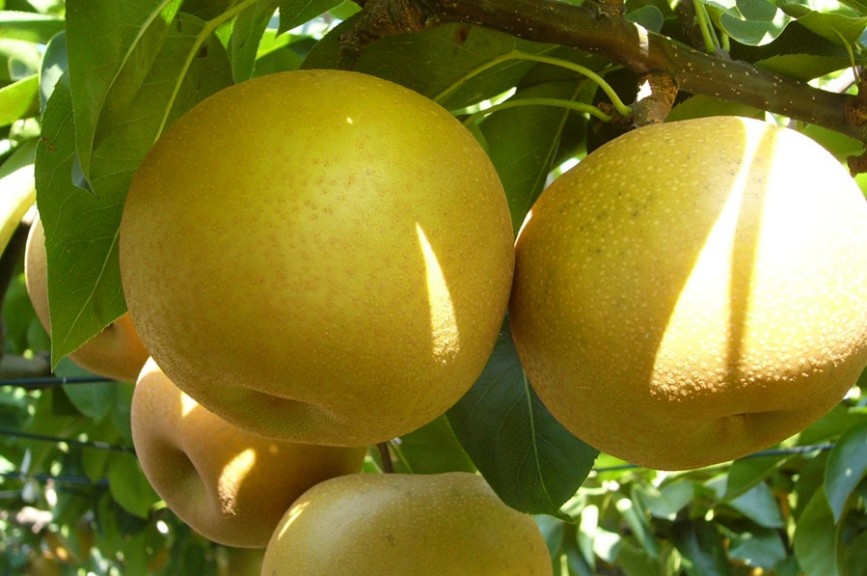
Pears
Sharing the fertile plains and rich soil of the Shinano River region with. It’s said that during the Edo period, daimyo arriving from Niigata offered the shogunate pears as tribute, bestowing on them the title of “the pride of Echigo”. While pears are often broadly categorized into two types—red-skinned and green-skinned—a wide range of varieties is grown throughout the prefecture, each with its own balance of sweetness, tartness, crispness, and softness. Passionate innovators are even bringing new strains to the market, like “Shin-Mizuki” and “Shin-O”, all nurtured to perfection with plenty of sun and clean melted snow water.
For the true connoisseur, you can seek out the notoriously difficult and elusive Le Lectier pears that were originally grown in France 100 years ago. Thanks to the love and care of dedicated farmers, this “phantom” fruit has become a prized seasonal delicacy in Japan.
5. Chrysanthemums (kakinomoto)
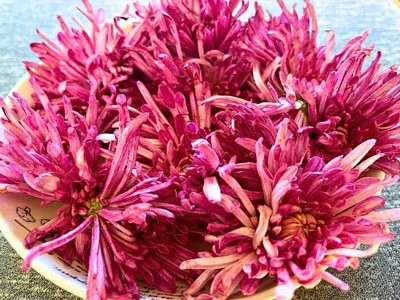
Chrysanthemums (kakinomoto)
While chrysanthemums may be a symbol for Japan’s Imperial family, this magenta beauty is also a colorful emblem of autumn—a delicious one at that. No dining room around Niigata would be complete without this seasonal necessity, whose culinary history dates back to the Edo period. Known locally as kakinomoto, these edible chrysanthemums begin to bloom in autumn, and their petals are a distinctive ingredient in regional cuisine.
To really bring out their color, boil kakinomoto with a little vinegar and the flower’s deep reds and violets will explode out of the pan. Other popular uses include mixed salads and fillings for rice balls and sushi rolls.
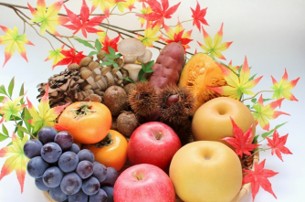
Each balanced season in Niigata brings its own attractions, but autumn’s striking color palette and bountiful range of culinary delights make it a favorite. If any of the aforementioned meals have whetted your appetite, head to the golden fields of Niigata and chow down!
 |
Even though Joshua Furr is from North Carolina (home of bluegrass, flight and Pepsi), he prefers a life outside the U.S, specifically Niigata prefecture.
He has a beautiful wife and two sons, all whom he forces to listen to Japan-based conversation and 80s city-pop. Around lunch, he dreams about eating gyudon at Sukiya. When he’s not spending time with his family, he’s writing, teaching or jogging with his dog in the forest.
|